

Throughout human history, art has been used by many to express their ideas in both ordinary and politically challenging times, a big example of these would be theatrical productions. Whether plays or musicals, when you look closer at the story that the show is telling, you can see similarities to our current political climate.
Last semester I was able to see Hamline’s Performance, Production and Community rendition of “Urinetown: The Musical.” While the story kept me hooked, throughout the show, there were various moments where what was happening in the story hit a little too close to home depicting events at the time. Even now, it still resonates.
However, “Urinetown: The Musical” is not the only theater production that has messages that apply to our current times and political climate. Other theatrical productions that evoke that same feeling include “Les Misérables,” “Rent,” and more. While each show is set during a specific time period with its own trials and tribulations, some of those messages can still be applied today.
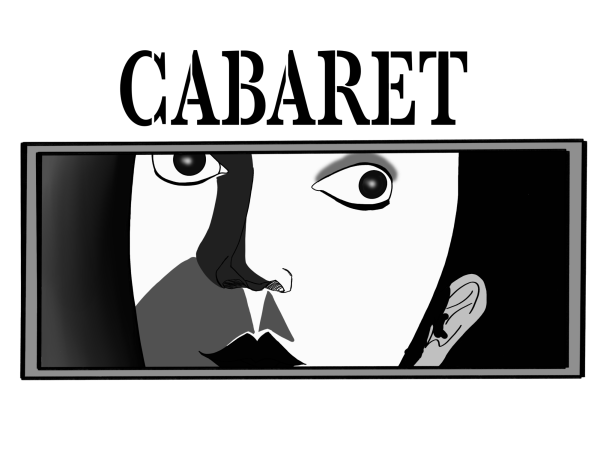
Another great example would be “Cabaret: the musical”, while set in Berlin during 1930, we watch how the change in Germany affects the character and the show starts to gain a more dark tone as the political climate the influence starts to enter into the cabaret.
It is important to note that not all theatrical productions have messages that apply to all the events we have collectively experienced, and that should not be the sole reason you go see or listen to a production. For example, I do not think we should always take the advice in some of Shakespeare’s plays, especially if it is one of the tragedies like “Hamlet.”
While the messages of the shows themselves are important, another important social aspect of theater is the community it encompasses. Not only does theater provide an entertaining message, but it also creates a community for all those involved in the production. Community is important, especially now when we see people in parts of our communities feeling unsafe. Outside of current events, the community is what and who we rely on.
In each of the shows mentioned, we see our characters as part of a community. Whether that is the community they live and work in, or the people they surround themselves with. Just like real-life, when conflict arises, the characters fall back on their communities for support–not just against the conflict but also to support each other.
We see this in our own lives, not only in the theater community but also in the multitude of communities we are all a part of. Theater itself is also a community, comprised of individuals ranging from the actors all the way to the creative team behind the production. It takes a group of people to put on a show, and especially if you are working with those people every day, you tend to form connections.
Another real life example of this is what we have seen in our own backyard. We have seen this over the last month. We have seen communities come together not only during protests but also in finding ways to help the communities that are being directly impacted. We have not only seen this in our state, but wherever forces of oppression seek to harm us, we are seeing communities band together to fight back and take care of each other.
Lastly, and this pertains more to musicals than plays, the soundtracks of the musicals also add to the importance. Many of the songs from these soundtracks can be applied to our own personal situations and what we collectively experience during these times. While the situation the character is singing about might not match our own circumstances exactly, we can translate their feelings about the situation to our own.
Take the song “Do You Hear the People Sing?” from “Les Misérables”, for example. While the song speaks more to the conflict in “Les Misérables,” some of the lyrics can apply to how we feel about our current sociopolitical climate and the hope that we can bring change. Many musicals have songs that invoke feelings of outrage over what is happening, but also encourage us towards hope–that through the power of community, real change can occur, and lives can be improved.
Whether you are a hardcore, involved member of the theater community or just an occasional consumer, theater as an art form has importance at any point in time ,but especially during times of turmoil. It provides us with the hope and the courage to find ways to help bring change and a way to process the challenging times we are currently living through.




Leia Spencer • Mar 24, 2026 at 10:45 am
St. Olaf just put on a STELLAR production of Cabaret, which I think was much needed in our current climate. Glad to see that such a great show is getting its flowers, and maybe Hamline could continue the trend of politically-relevant shows that give us (the audience) some catharsis as well as some introspection.