Original Language Title: 『東京オリンピック』
“The Olympics Are A Symbol Of Human Aspiration.”
Every two years, the world‘s attention turns to the “16 Days of Glory” and spectacle known as the Olympics. If only for a brief moment, we can all be united in a pursuit of the same goal and revel in others’ success. This is the joy of the Olympics and sports more broadly, and one that cinema has also tried to capture across many movies.
Whether baseball, boxing or racing in all of its various forms, there has always been a celebration of sport within film. But deep down, they are just recreations of the real thing. This has led to the birth of a specific type of movie: the sports documentary. Being able to showcase the real struggles and triumphs of their subjects while also utilizing cinematic techniques to create something that can forever immortalize their achievements.
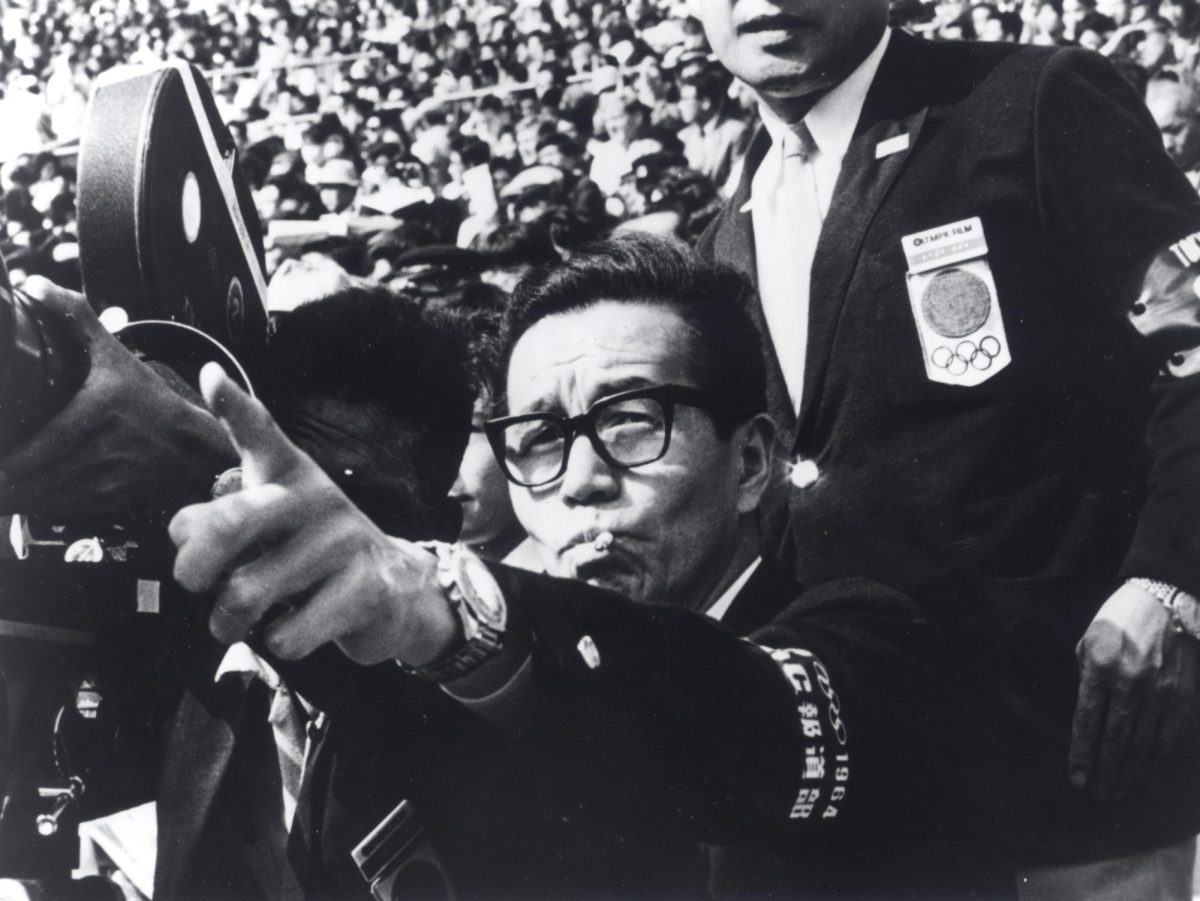
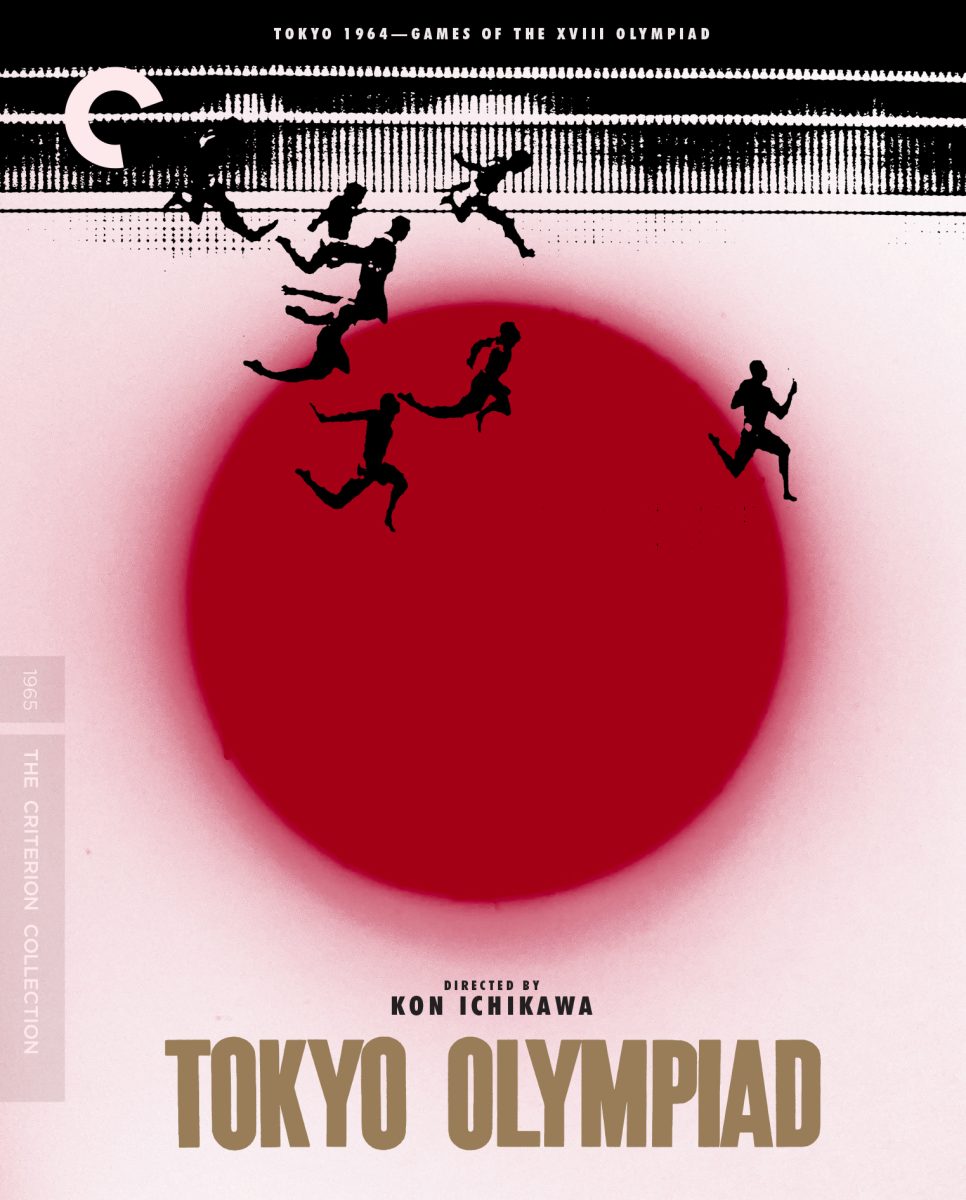
After its defeat at the end of World War II, Japan was banned from taking part in the 1948 London Games. 12 years later, they were awarded the chance to host the games in 1964 in Tōkyō, and they took this opportunity to try to reestablish themselves once again on the world stage. When deciding on a director to document these games in an official Olympic film, they selected noted filmmaker Kon Ichikawa, most famous for his anti-war films “The Burmese Harp” (1956) and “Fires on the Plain” (1959), to showcase this vision of a peaceful Japan. What resulted was an almost three-hour epic and one of the most artistically significant documentary films of all time.
In contrast to most modern sporting coverage, much of the movie consists of simple close-ups of the various athletes preparing for their moment. Track and field stars hammering and nailing in their starting blocks or fidgeting before throwing in the shot put, and the quiet moments of aiming before sharpshooters take their shot. Ichikawa does not portray the athletes as gods, like some infamous Olympic documentaries before him, but simply as ordinary people doing extraordinary things.
The Tōkyō Games were also the debut of Jūdō and Volleyball as permanent Olympic sports, and both were prominently featured. The coverage, in particular, of the women’s volleyball final was rather well done, showcasing a defeat of the Soviet team at the hands of the Japanese team, and the surprising melancholy of their victorious coach.
The use of music in this film is also rather exceptional. Composer Toshirō Mayuzumi’s work can be heard in almost every scene, switching from a lush orchestral score to what at times can be described as a high-octane jazz band.
There are also several vignettes and focuses on certain athletes and countries within the film itself. A particularly memorable one was a piece on the first-ever Olympic delegation from the Central African country of Chad, where every athlete was older than the country that they were representing and their search for Olympic glory.
The final act of the film consists of just two events, the closing ceremony and a 20-minute snapshot of the penultimate marathon. Ichikawa pans the camera with individual runners and a shallow depth of field, causing the background spectators to all blur together while all the runners remain in focus. The eventual winner of the marathon, Ethiopian Abebe Bikila, was also captured in slow motion while he was leading the pack, and those images, combined with the rapid editing, create a truly memorable sequence.
For those who have also seen the iconic 1988 anime film “Akira,” the final shot of the film representing the birth of a new universe is actually a reference to “Tokyo Olympiad.” The opening shot of the international version of the film replaced the rising sun with light being shone into a camera lens, which “Akira” tries to replicate. For a film that already touches upon the historical importance of the Olympics in Japan, referencing this documentary was a no-brainer.
Upon its theatrical release, it became one of the highest-grossing Japanese films of all time and was only outgrossed upon the release of Hayao Miyazaki’s 2001 masterpiece “Spirited Away.” However, the Japanese Olympic Committee disliked how artistic and long the documentary was and forcibly recut it to create a more nationalist edit. Fortunately, the original release was restored, and if, after reading this review, you wish to check the film out for yourself, the International Olympic Committee has actually released the entire film for free on their official website below. Tokyo 1964 Official Film | Tokyo Olympiad
The movie is a true celebration of the art of sport itself, and I strongly believe that this is one of, if not the greatest, sports documentaries of all time. I highly implore anyone who has any interest in sports or the Olympics to seek this film out; you will not regret it. My final rating for “Tokyo Olympiad” is an incredible 10/10.